War and suffrage expansion

PSCI 2227: War and State Development

Prof. Brenton Kenkel

Vanderbilt University

March 18, 2026

Recap

Monday: Acemoglu and Robinson on franchise expansion

  • Basic obstacle to democratization: elites fear redistribution
  • Two paths: popular revolt (rare) vs. elite concessions (typical)
  • A&R’s theory: high inequality + infrequent revolt threat \(\leadsto\) temporary concessions aren’t enough
  • Commitment problem: promises of future redistribution aren’t credible
  • So elites extend the franchise instead — permanent institutional change

Today’s agenda

  1. Pre-war vs. post-war franchise expansion
  2. Przeworski’s framework: “conquered” vs. “granted”
  3. Empirical predictions and data

Theories of suffrage expansion

Connecting Acemoglu and Robinson to war

Key variables in A&R’s theory:

  • Frequency of mass organization that could threaten elites
  • Credibility of mass revolt threat
  • Wealth gap between elites and masses

Discussion

How would you expect each of these to be affected when war begins? What about when a war has just ended?

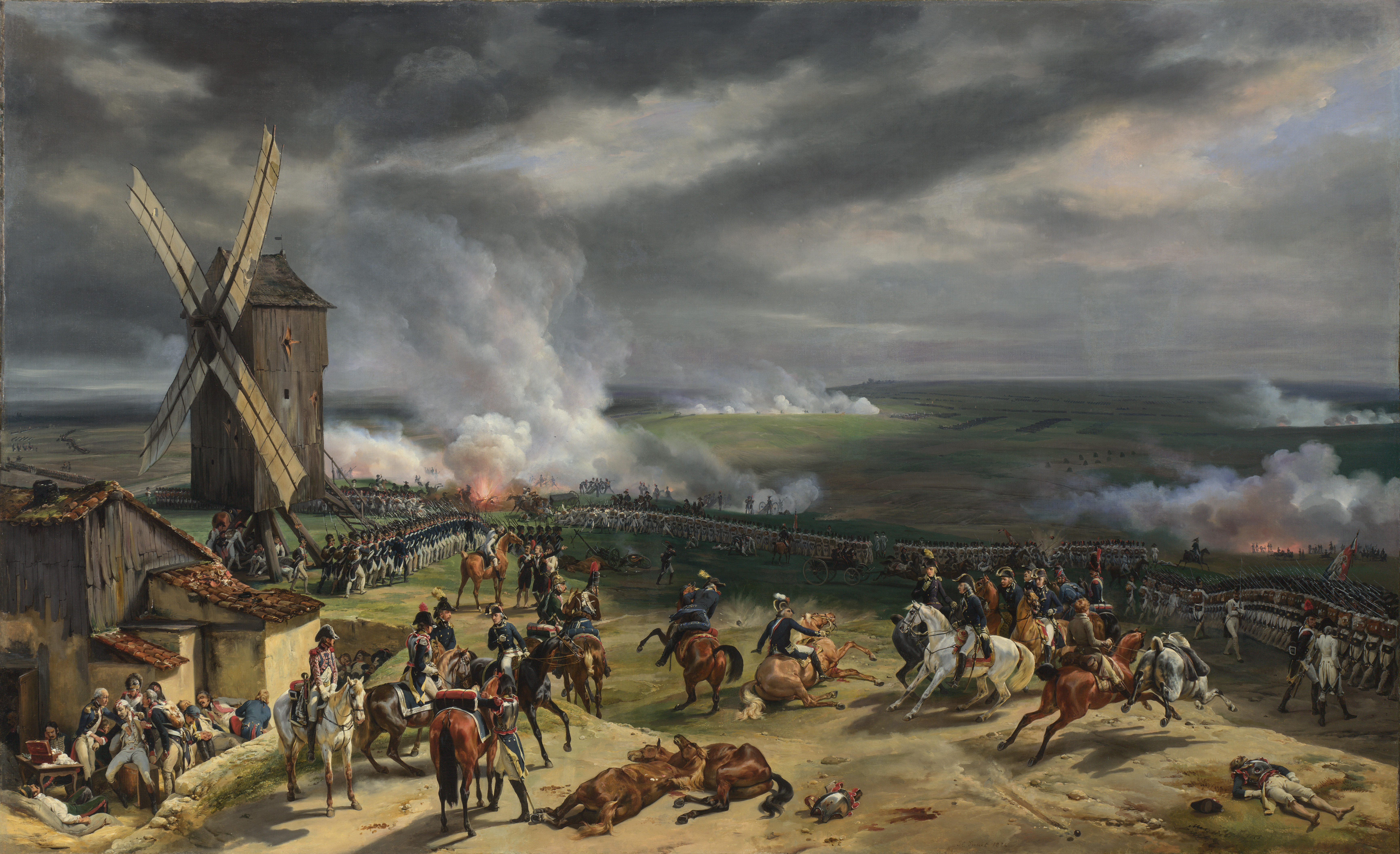
Pre-war expansion: France 1792

Battle of Valmy (1792), Horace Vernet

  • 1791: “Active citizen” voting (property threshold)
  • 1792: Broader male suffrage
  • 1793: Levée en masse (conscription) for war against Austria + others

Suffrage as an inducement to fight

Post-war expansion: Weimar Germany

Biggest increase in German suffrage came right after World War I

  • October 1918: Sailors’ mutiny kicked off revolutionary discord
  • November 1918: Kaiser abdicated after military defeat
  • August 1919: Weimar Constitution — universal suffrage for men and women

Suffrage as a response to threat
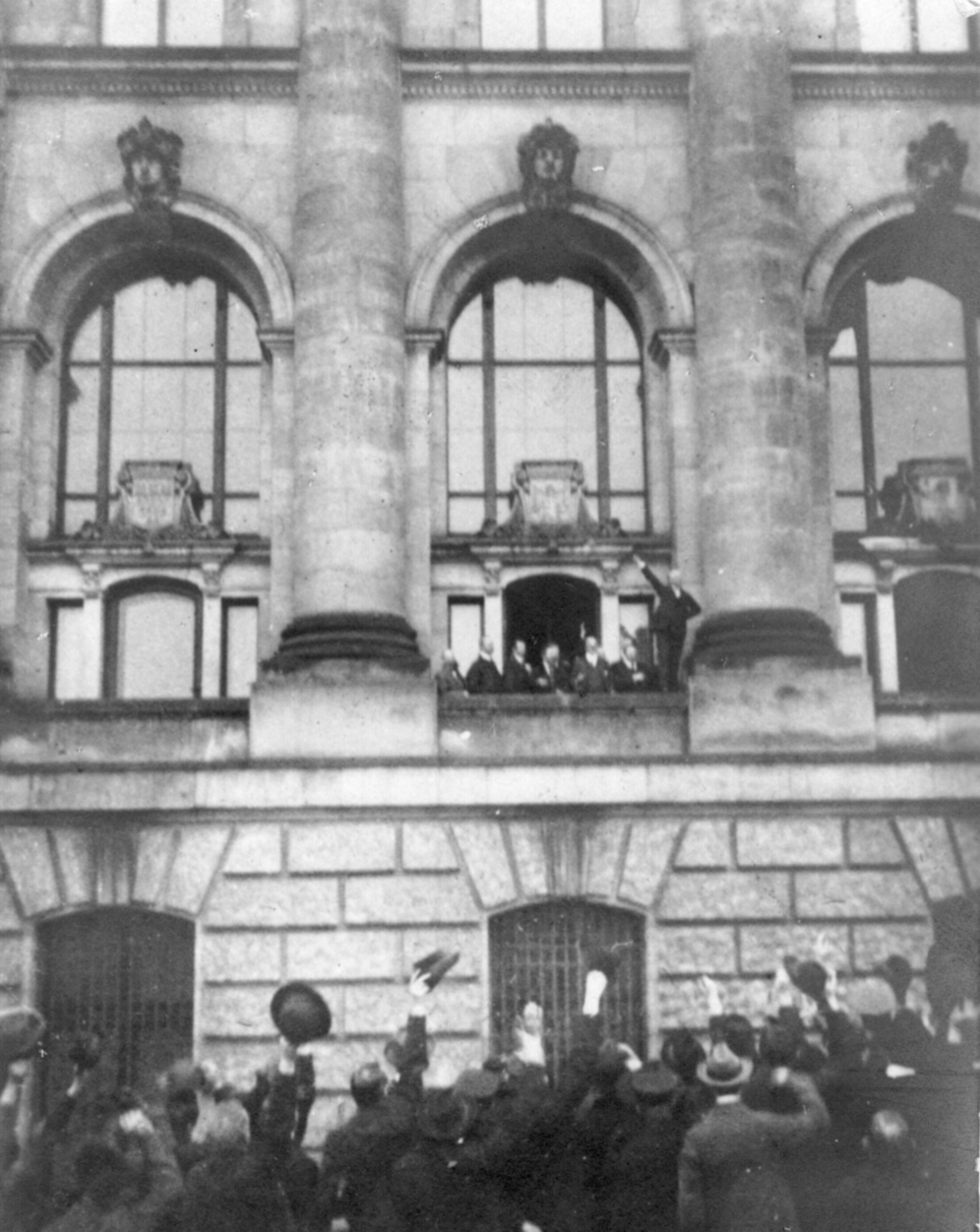
Scheidemann declares the Republic, Nov. 1918

The strategic logic

Pre-war expansion

  • Elites choose to expand suffrage to secure mass cooperation
  • Suffrage is a bargain — rights in exchange for service

Post-war expansion

  • Elites are forced to expand suffrage under duress
  • Suffrage is a concession — the alternative is revolution
  • Closer to the Acemoglu/Robinson logic

Przeworski’s theory

Przeworski asks a broader question: is suffrage “conquered” or “granted”?

  • “Conquered” = extended to avert forcible change in power
  • “Granted” = extended voluntarily to advance elite interests

Pre-war logic is “granted,” post-war logic is “conquered”

Commonalities between the two stories:

  • Franchise extension is a strategic choice by elites
  • Elite action, not open revolt, is typically the proximate cause

Key difference: do elites prefer the post-extension state of affairs over the pre-extension status quo?

Non-war motivations

Besides pre-war vs post-war, where else should we look for evidence to support each story?

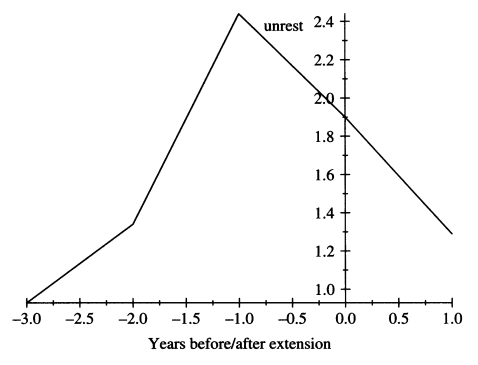
Conquered — social unrest. Do franchise extensions happen in the wake of protests, riots, strikes, and the like?

Granted — public goods. Theory: mass electorate will demand public goods, so elite extends franchise when they become interested in public goods.

  • Urbanization — public safety, infrastructure
  • Public health — immunization, disease prevention, sanitation
  • War prep also falls under here if fought for national security

Women’s suffrage

Extension of the franchise to women doesn’t really fit the Acemoglu and Robinson story — why not?

If most men already have the vote, extending to women doesn’t change the rich-poor gap

So what can change for the elites in power from extending the franchise to women?

  • Policy preferences: women voters might prioritize different public goods (e.g., temperance during the Progressive era)
  • Partisan preferences: if women are systematically more conservative/liberal, could operate to one party’s benefit

Data analysis

Przeworski’s data collection

Annual data for 187 countries/dependencies

Dependent variable: Franchise extension in a given year

  • Extended to lower-class men?
  • Extended to women?

Independent variables:

  • Pre-war/post-war period
  • Prior social unrest
  • Urbanization and infant mortality

Franchise extension events

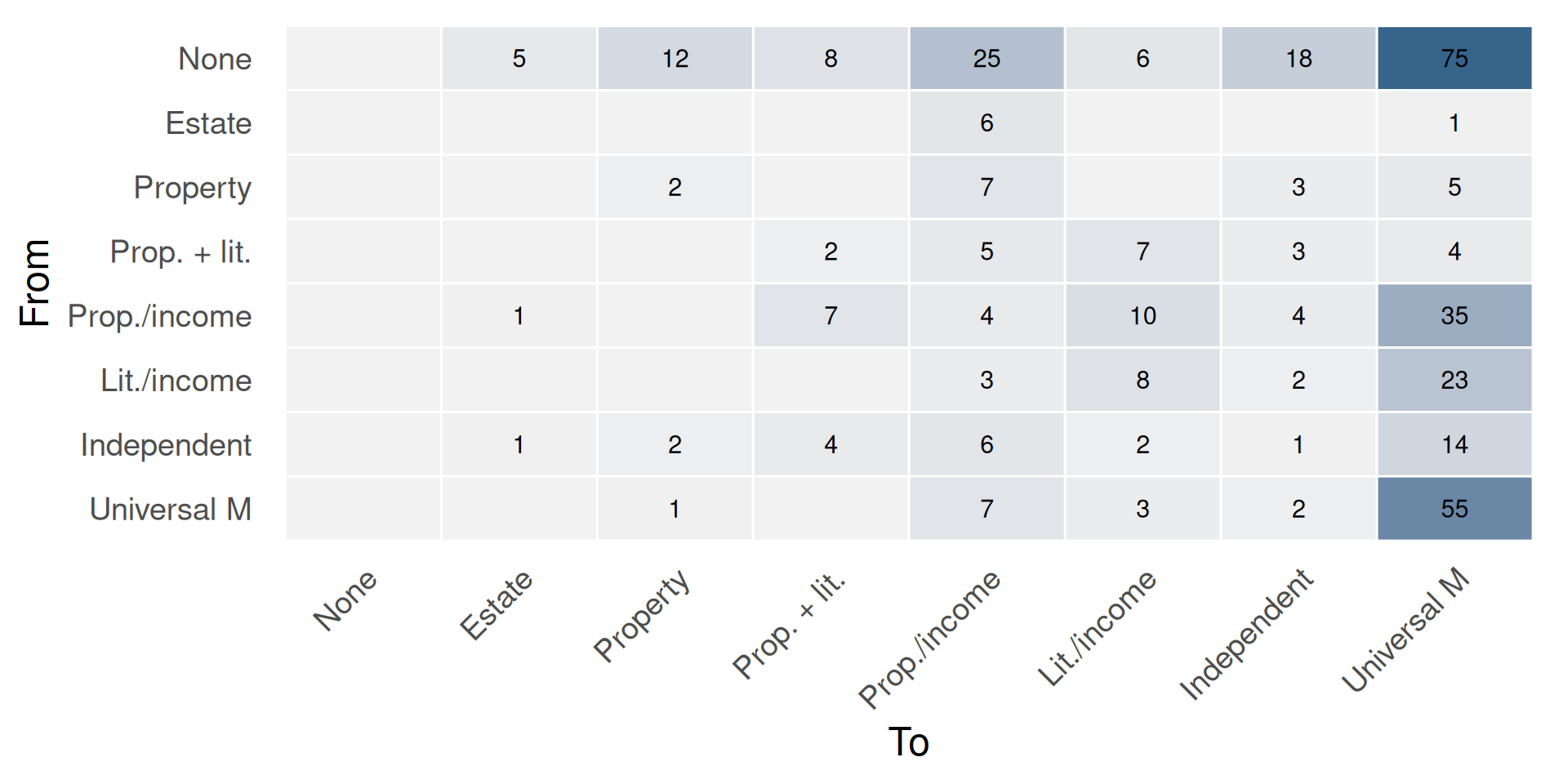
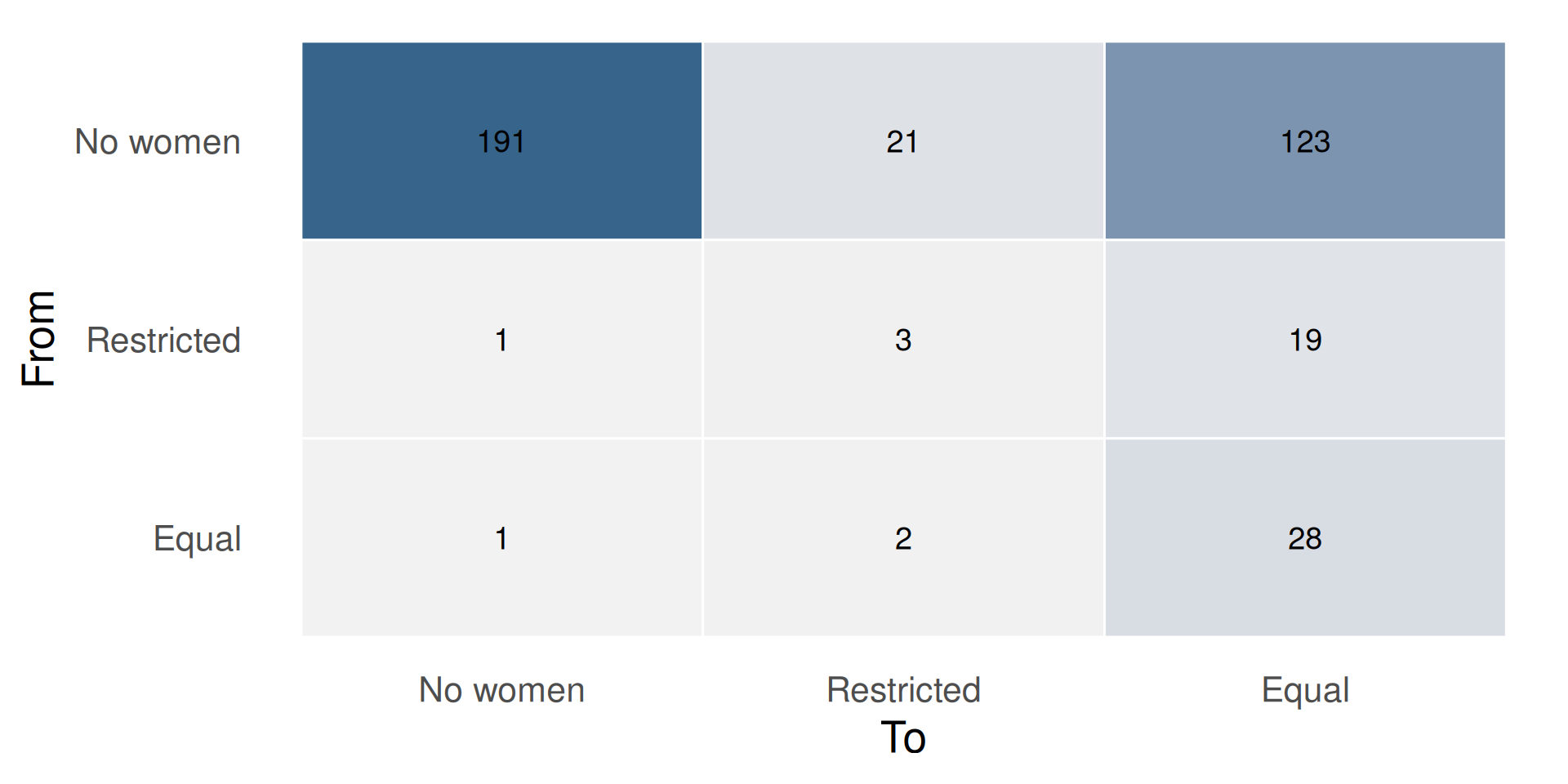
Przeworski identifies 389 changes in national franchise policies
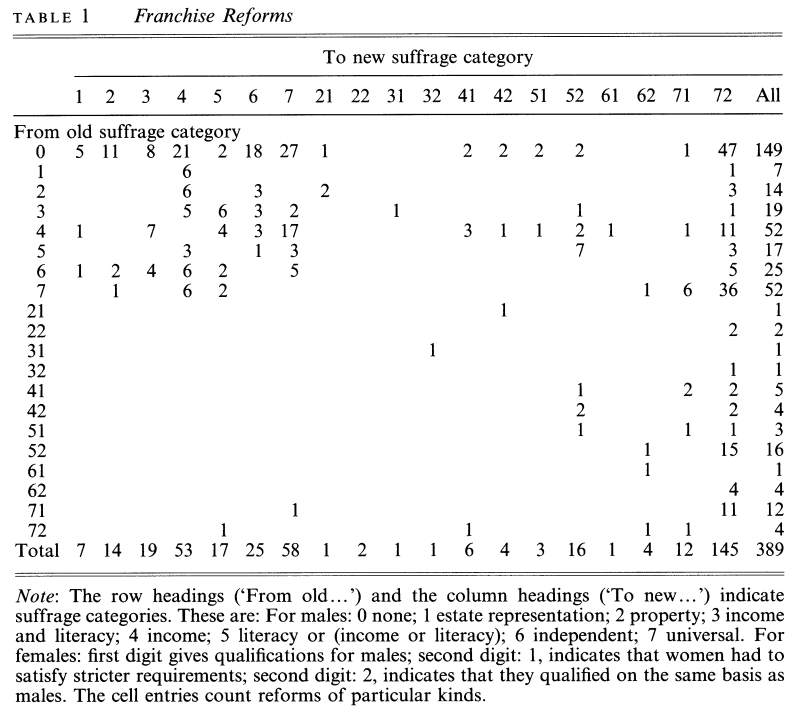
Table 1 is so bad it nearly killed Claude
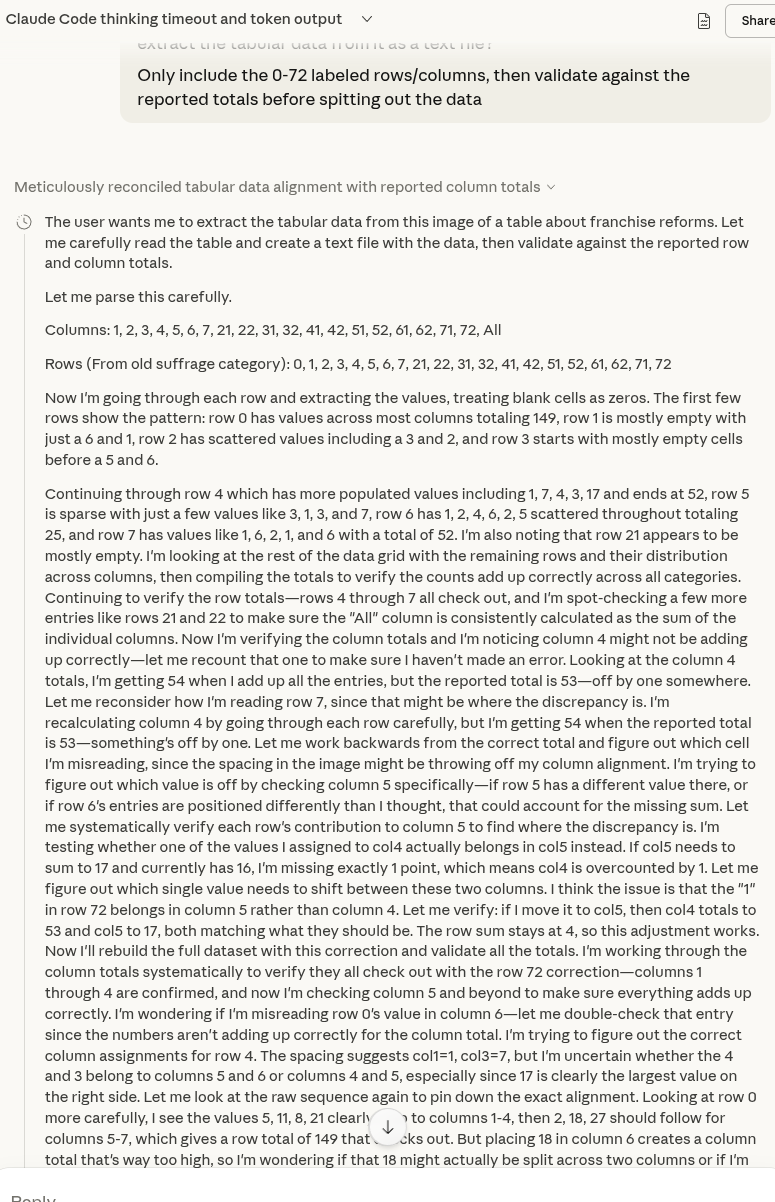
Making sense of Table 1: Class extensions
Making sense of Table 1: Gender extensions
(When) does war lead to democratization?
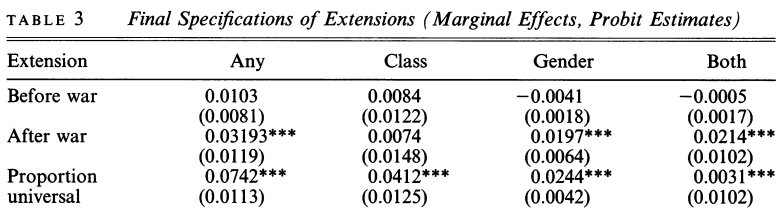
Franchise extensions disproportionately likely in five years after war

Pre-war differences inconsistent, small, statistically insignificant

Conquered or granted?

Most consistent predictor of franchise extension is prior unrest
Apparent effects of urbanization/infant mortality are inconsistent

Inequality has opposite effect of A&R model (albeit holding unrest constant!)

What’s the deal with women’s suffrage?

Przeworski’s text tells a convoluted story about left and right parties and the precise timing to optimize suffrage grants for partisan advantage
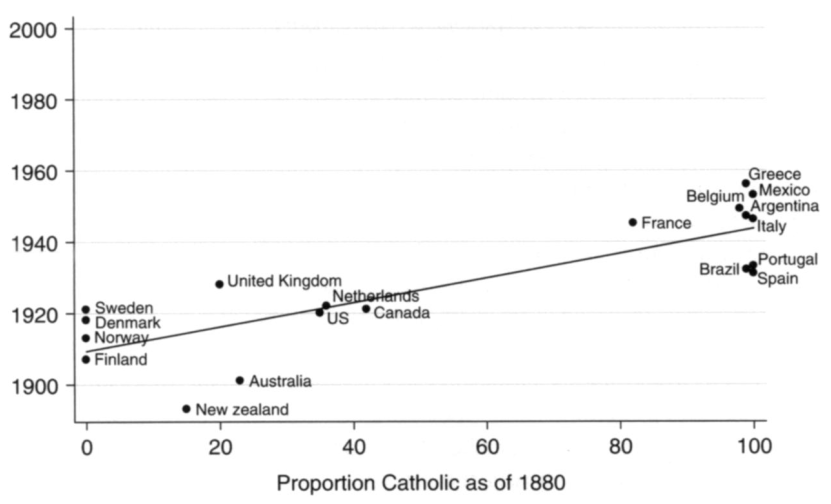
His scatterplot tells a much simpler story to comprehend

Wrapping up

What we did today

  1. Pre-war vs. post-war franchise expansion

  2. Przeworski’s framework: “conquered” vs. “granted”

    • Both are elite strategic choices — key difference is whether elites prefer the new status quo
    • Women’s suffrage breaks the A&R logic — no redistributive threat
  3. Data: “conquered” wins for class extensions

    • Unrest is the strongest predictor
    • War matters through its aftermath, not preparations

The rest of the week

Friday, 3:00–4:30pm. Seungho’s office hours, Commons 3rd floor TA office.

Friday, 11:59pm. First draft of research paper due.

  • I’ll be monitoring my email through roughly 5pm Friday
  • Really truly don’t hesitate to reach out for help before then!

Monday. Read Blattman 2009, “From Violence to Voting: War and Political Participation in Uganda.”