PSCI 2227: War and State Development
February 23, 2026
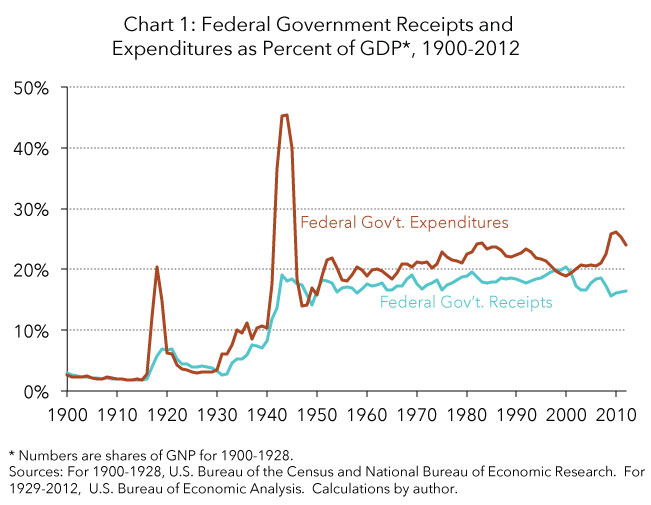
Revenue and war — where we’ve been so far
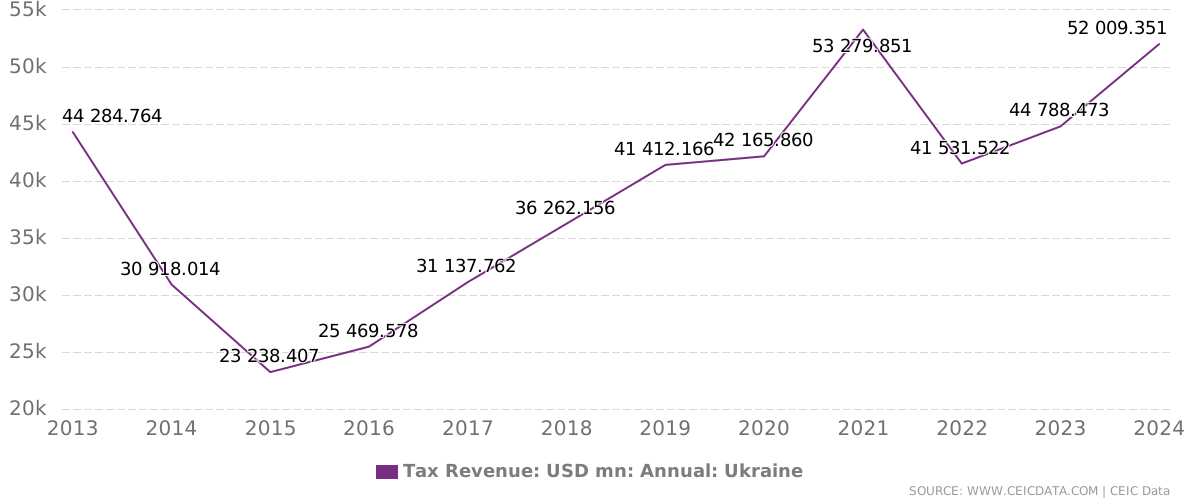
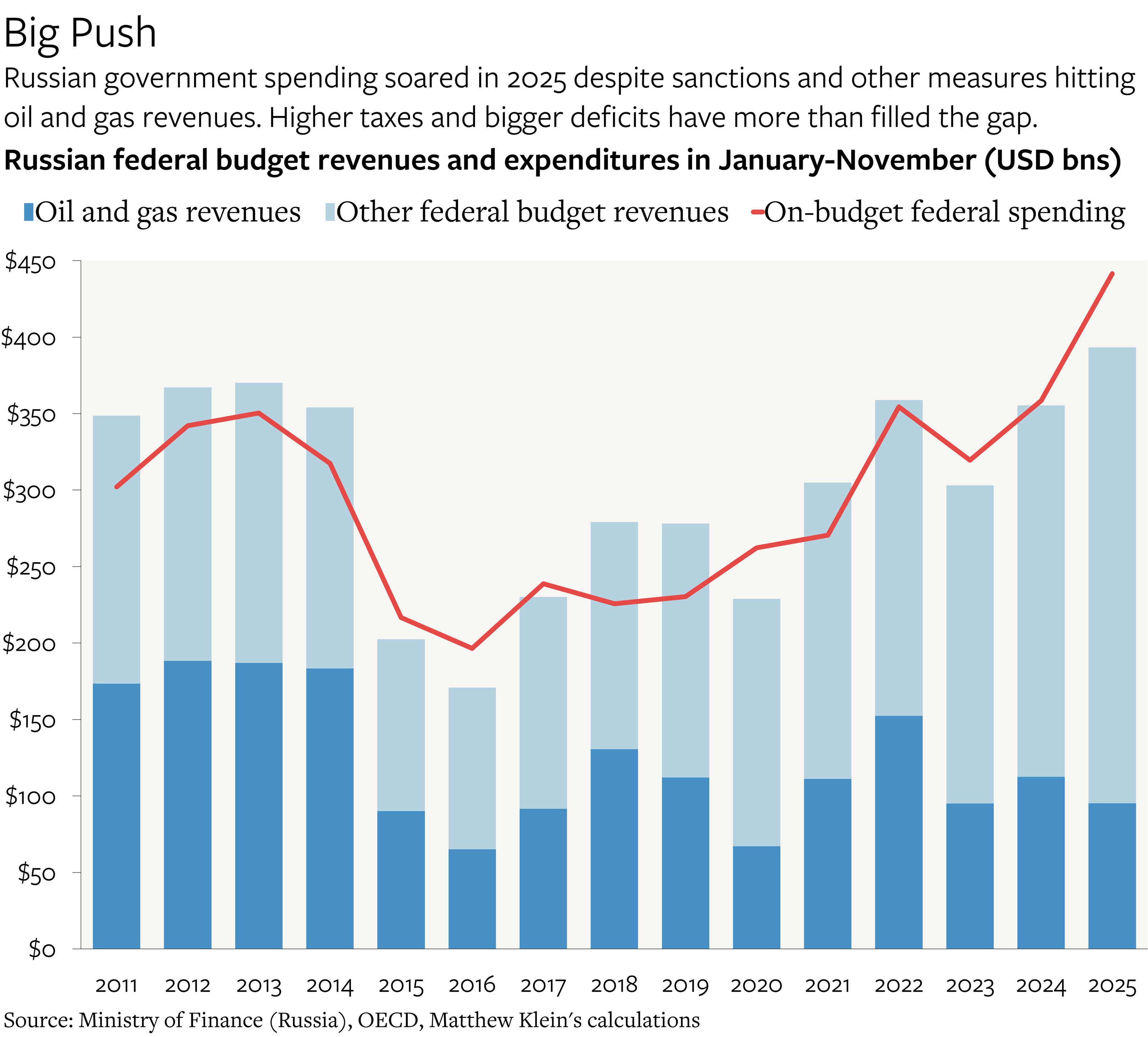
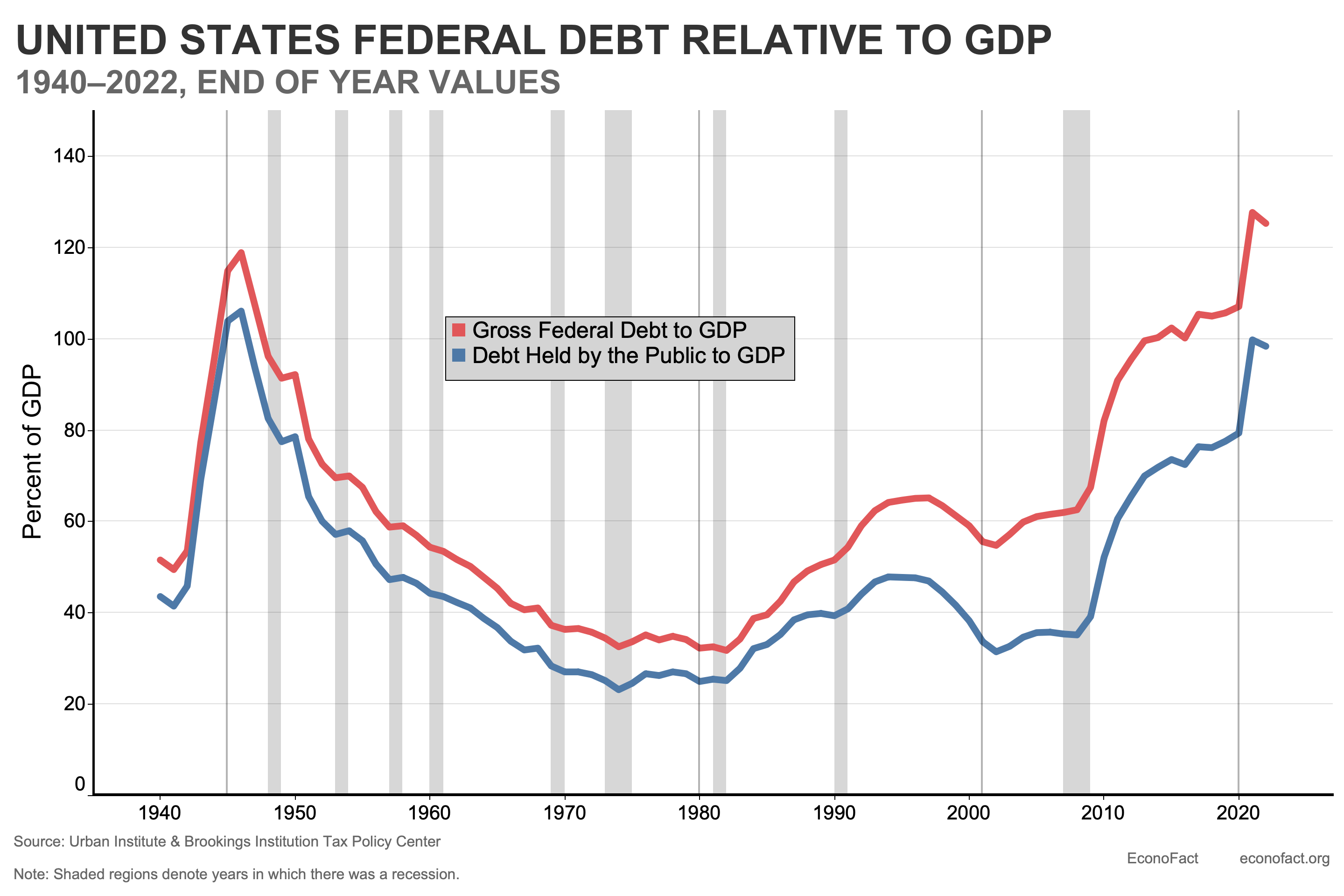
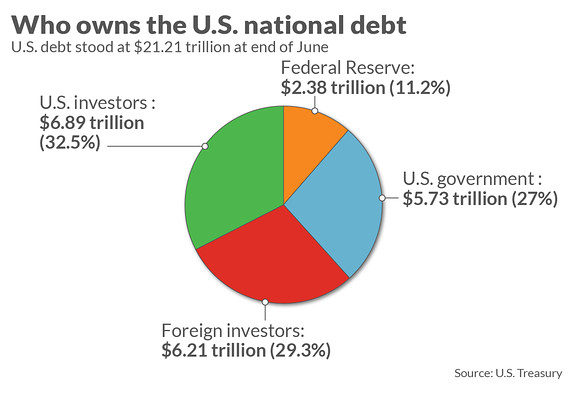
Problem for this tidy story: what about when foreign debt pays for war?


Why fund a war with debt instead of taxes?
The Klarna logic.
Loosening the bargaining constraints.
Standard logic of war and revenue
How does debt finance break this chain?
Hypothesis: War makes the state only when funded by taxes, not debt
…but there are some reasons for skepticism
Counter-counterpoints:
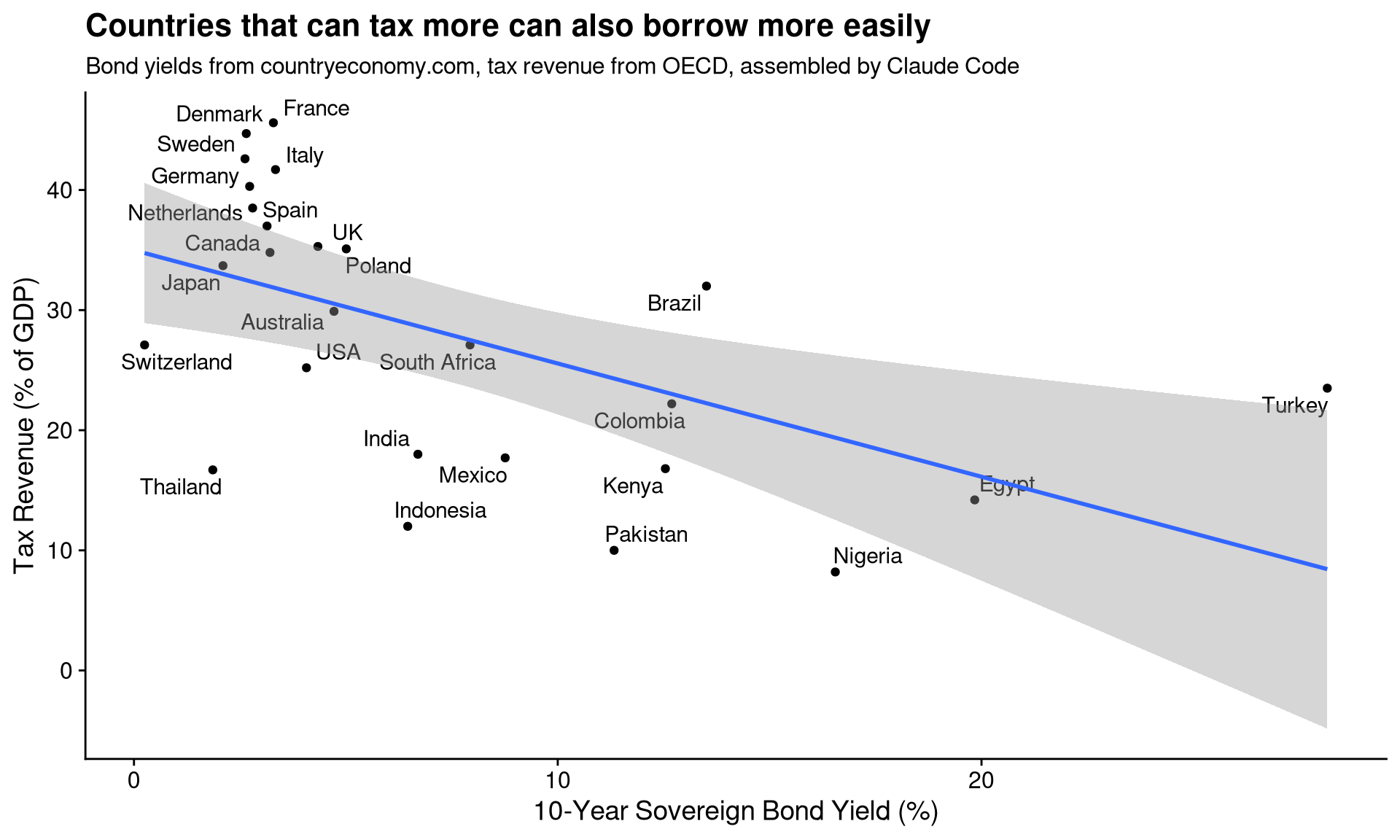
If war loans solve political problems, why do we ever see rulers raise taxes instead of taking out debt?
Lack of credit access — endogenous.
Lack of credit access — exogenous.
Causal hypotheses:
Suggests a tempting but problematic method of analysis
Why would we go wrong doing it this way?
Actual debt incurred for war represents multiple things
Endogenous credit risk + war performance are confounding variables
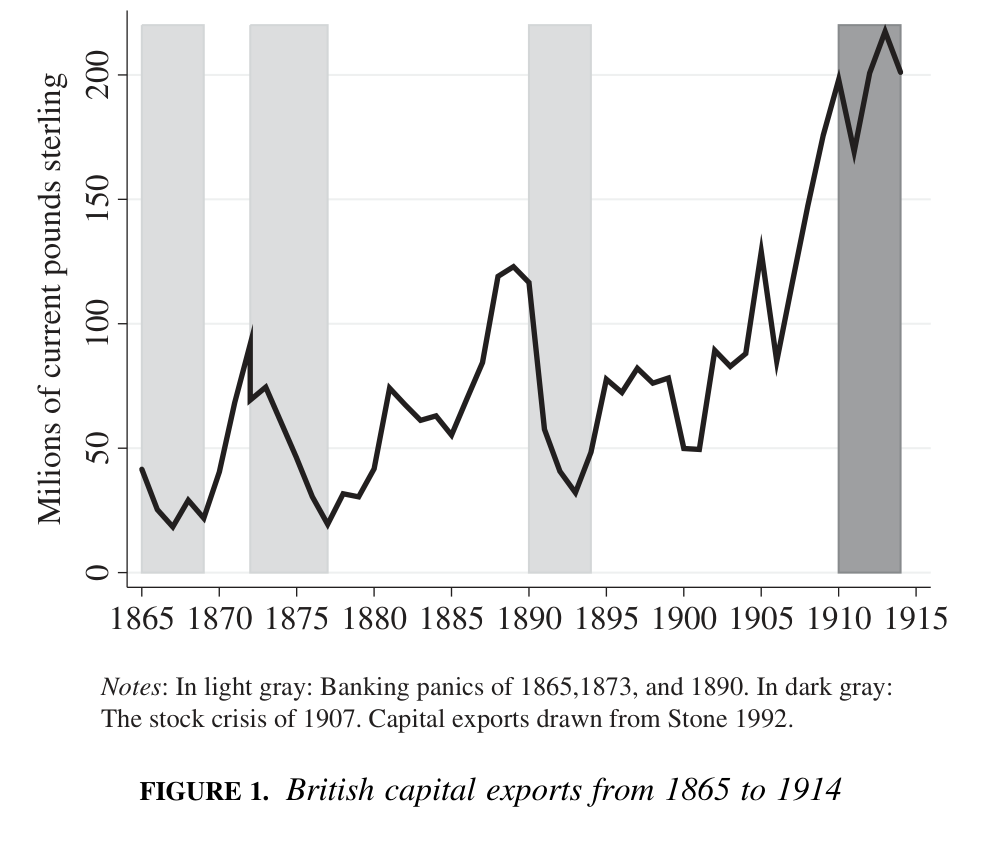
Britain was the “world’s banker” between Napoleonic Wars and WWI
Localized shocks to British markets \(\leadsto\) exogenous contraction of credit supply
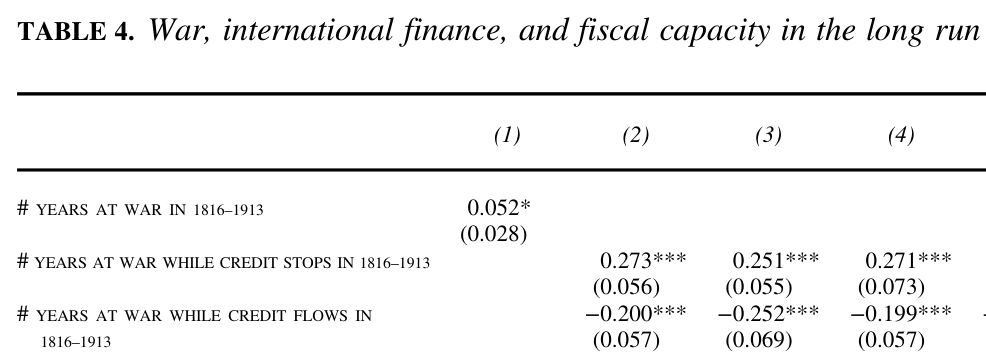
Dependent variables: long-run fiscal capacity
Independent variables:
Expectation: War participation only builds the state in periods of credit stops
Apparent mechanism: Forcing the ruler to share power
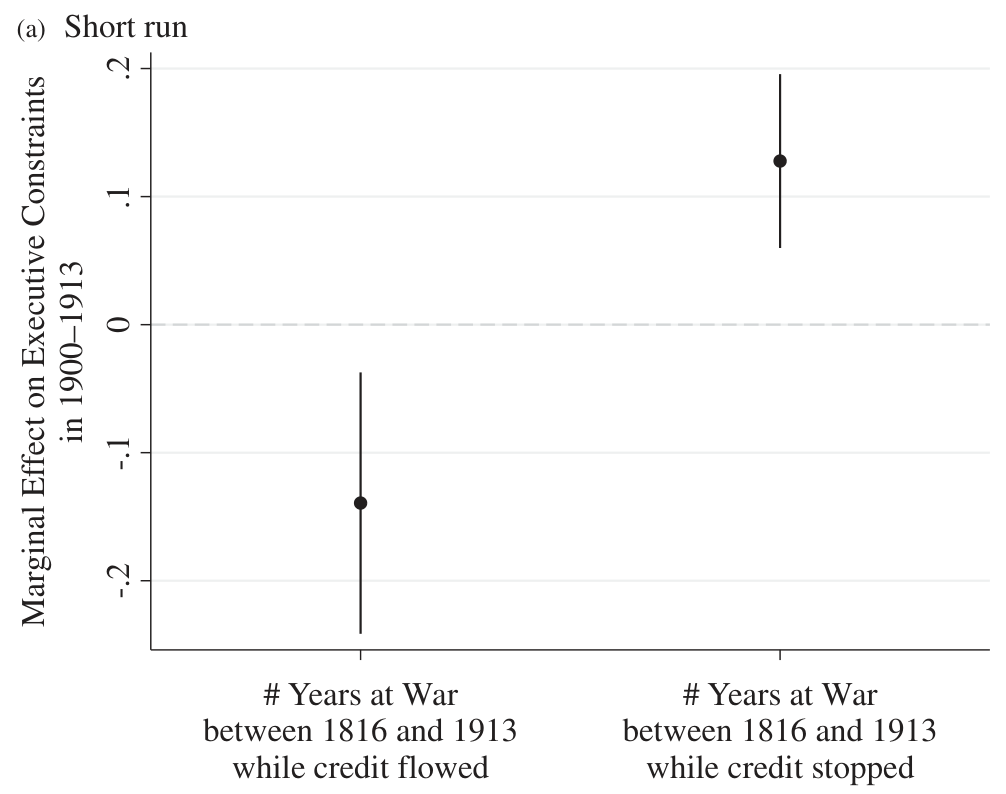
From here, we’ll dig deeper into that “forced power-sharing” — look at effects of war on parliaments
Read Kenkel and Paine 2023, “A Theory of External Wars and European Parliaments”