Sovereign states

PSCI 2227: War and State Development

Prof. Brenton Kenkel

Vanderbilt University

January 7, 2026

Today’s agenda

  1. What is a sovereign state?
  2. What isn’t a sovereign state?
  3. Why did we end up with a world of sovereign states?

Sovereign states

We live in a world of sovereign states
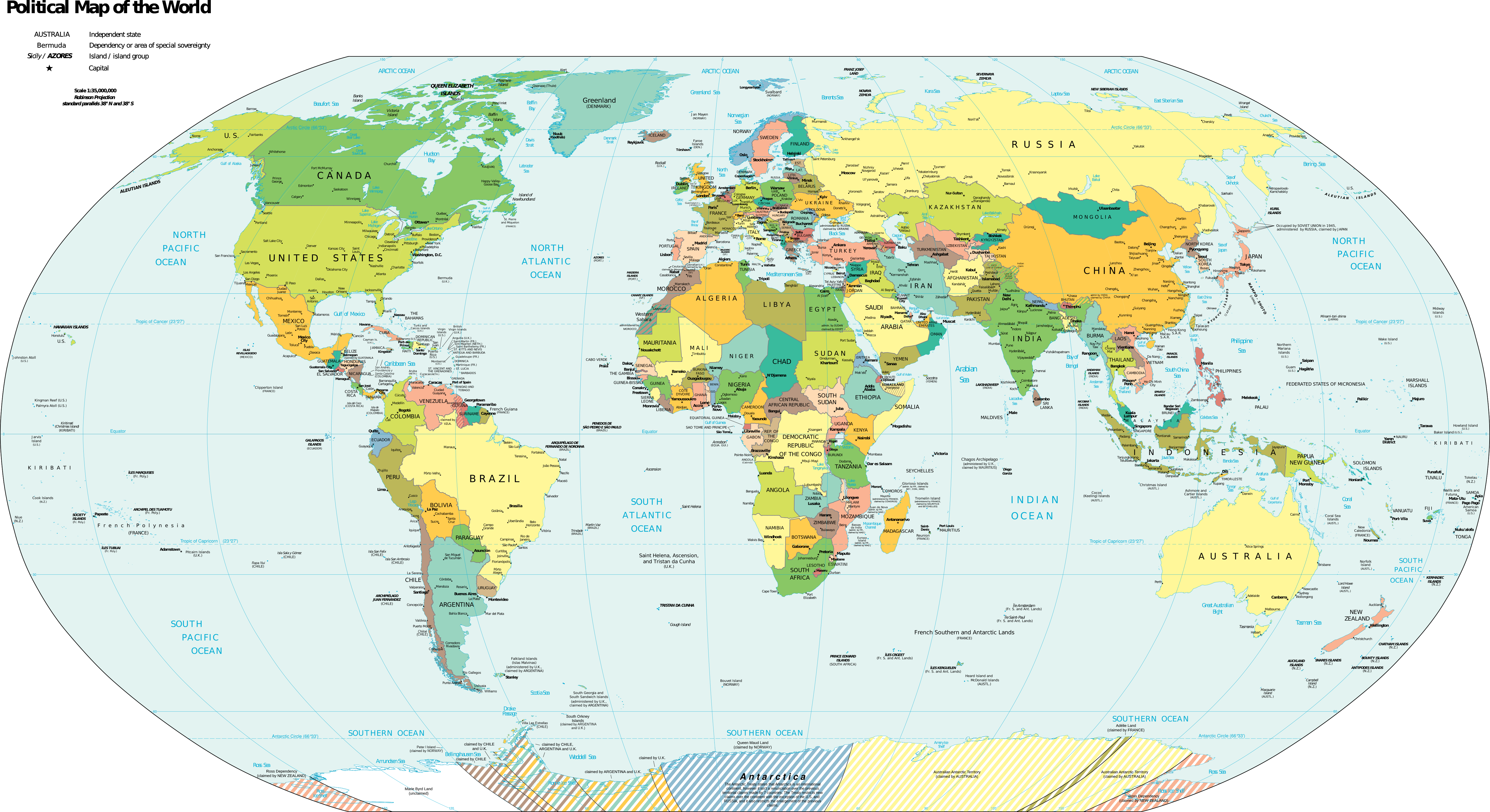
Rare exceptions to the rule
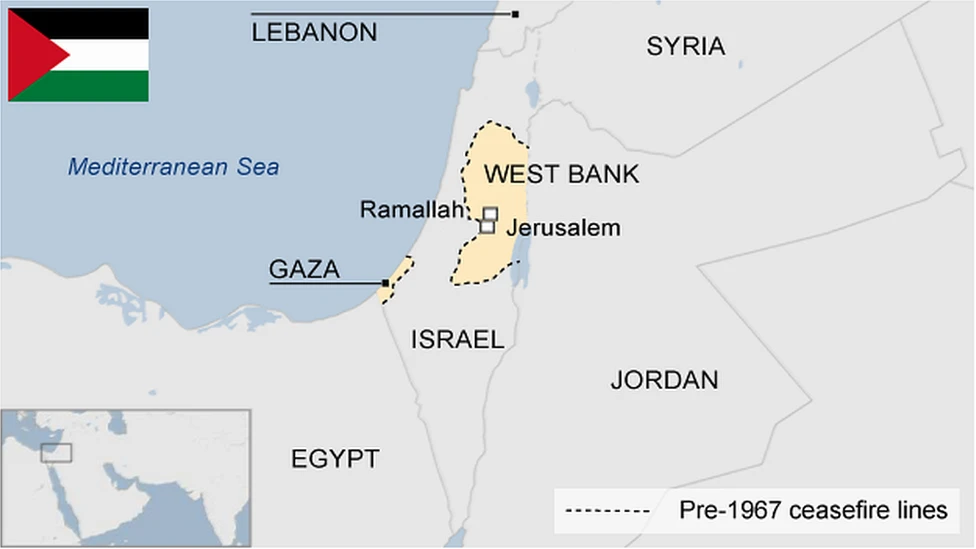
Palestine (BBC)

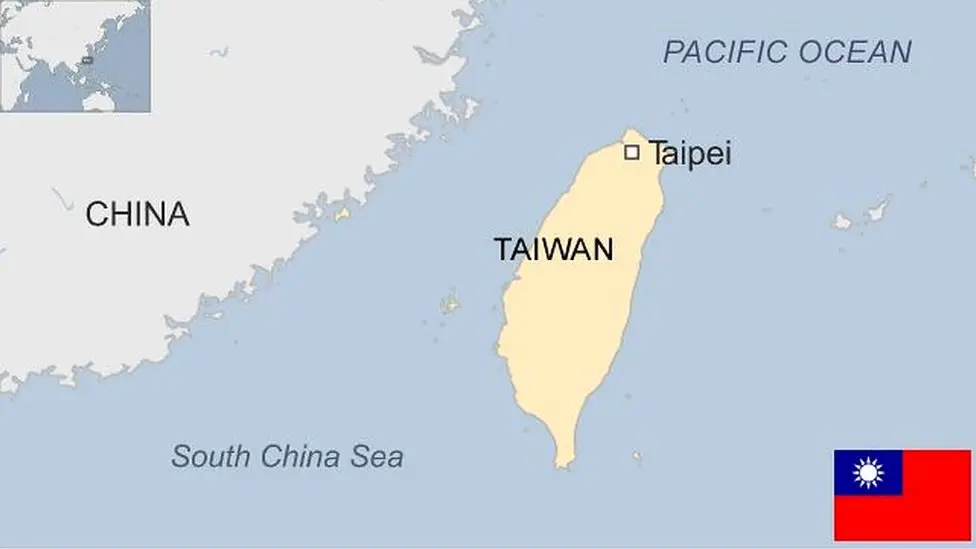
Taiwan (BBC)

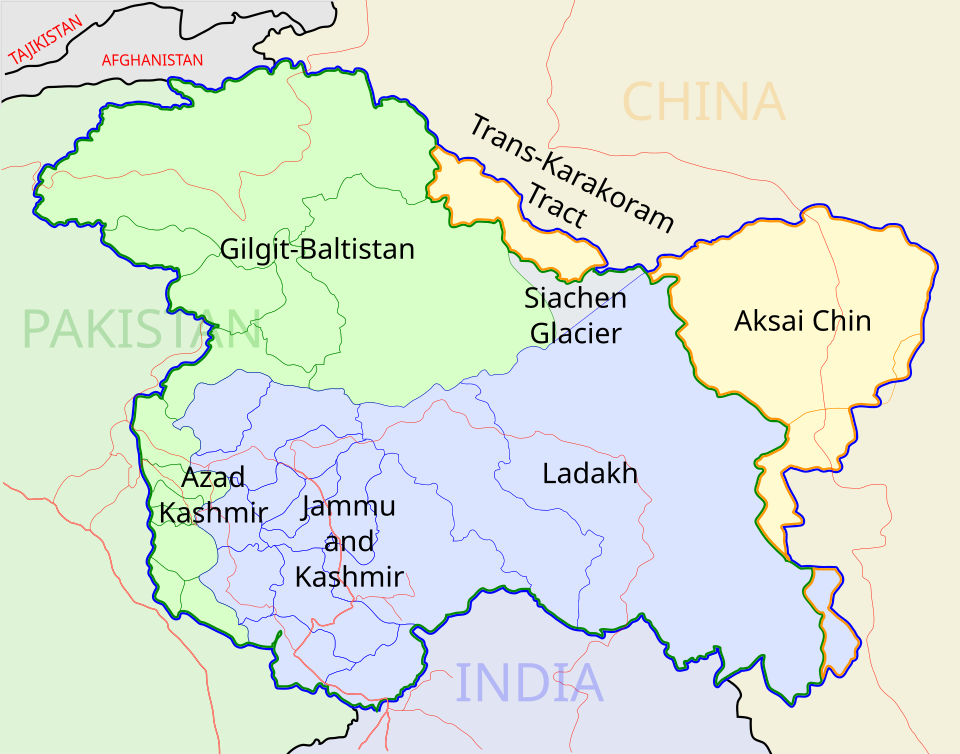
Kashmir (Wikimedia)

It wasn’t always like this

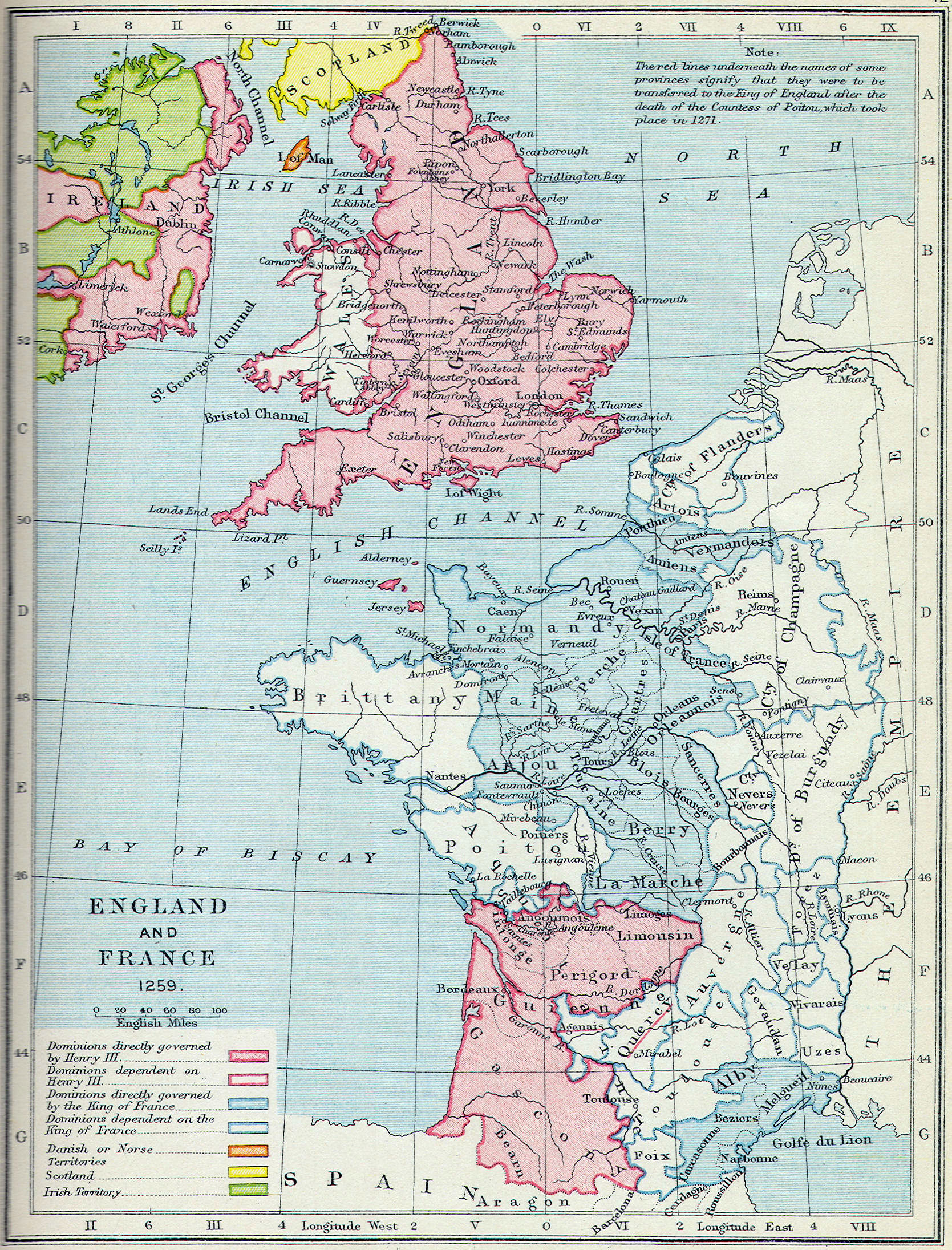
Example — the Duchy of Aquitaine

Part of France, but English king was the duke by heredity

English king’s refusal to pay homage was a trigger for Hundred Years’ War (1337–1453)

Before and during the war, unclear whose word was law

  • Local lords took sides
  • Brigands and bandits ran free

The Duchy of Aquitaine (Wikimedia)

Defining sovereign statehood

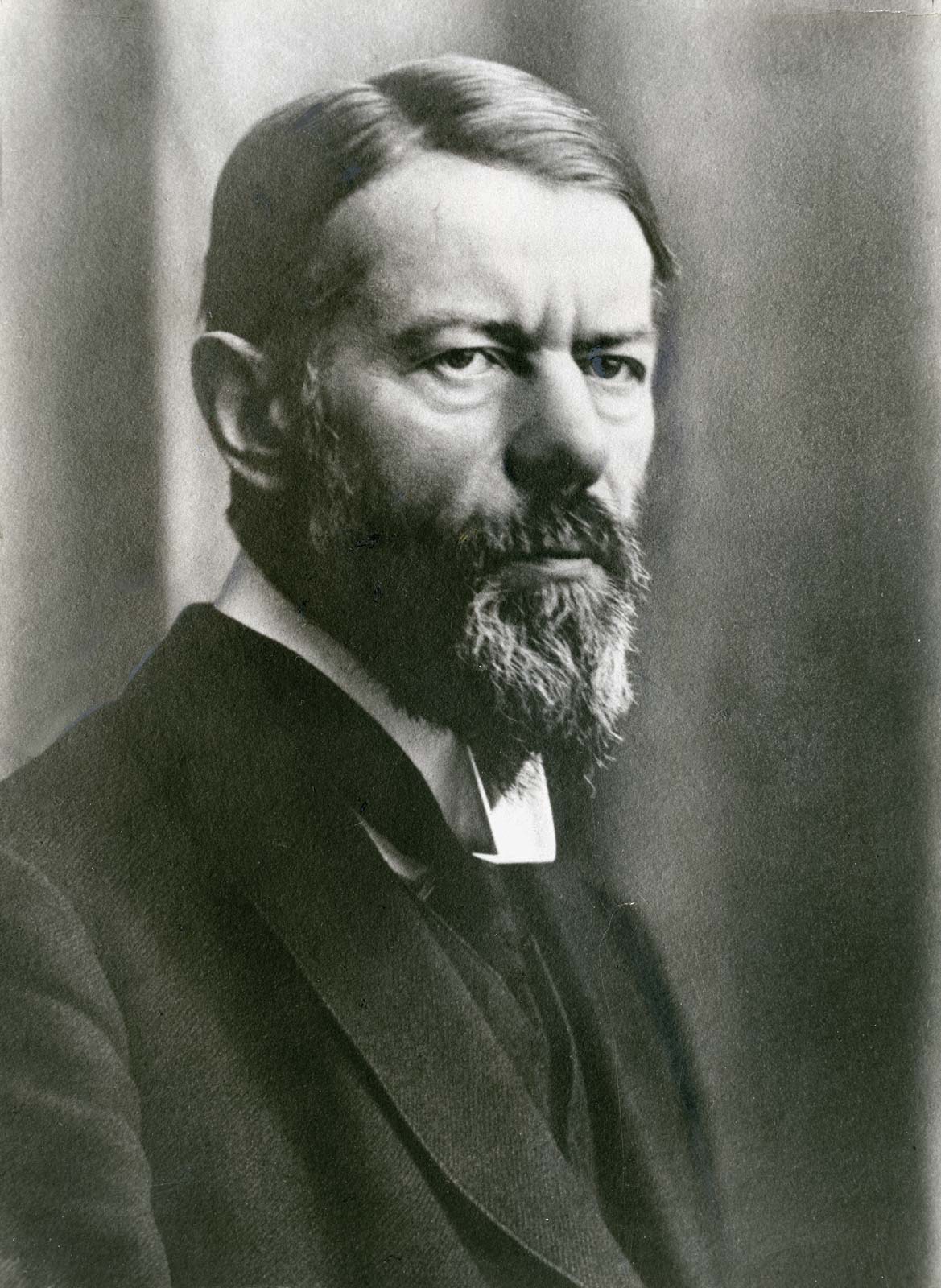
Max Weber (Wikimedia)

“A state is a human community that successfully claims the monopoly of the legitimate use of physical force within a given territory.”
—Max Weber, Politics as a Vocation

Key phrases here:

  • Monopoly
  • Legitimate
  • Given territory

Double-checking the definition
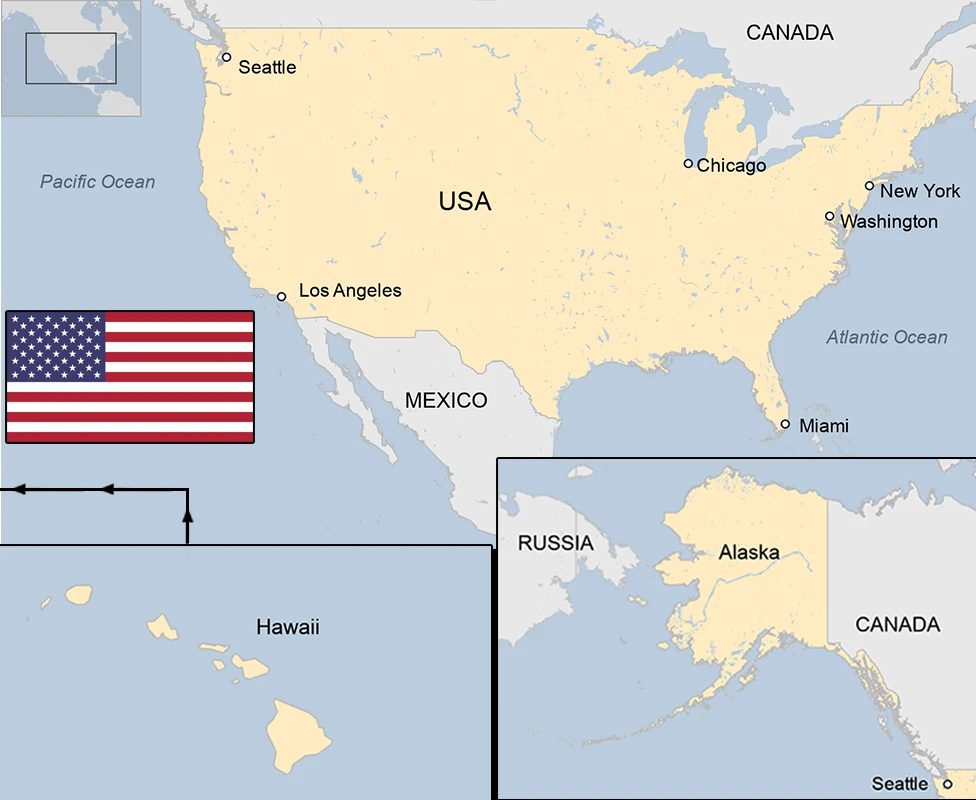
United States (via the BBC, ironically)

Does the United States successfully claim the monopoly of the legitimate use of physical force within a given territory?

Governments that aren’t sovereign states

Talk with the folks near you to come up with examples of governments past or present that:

  1. Claim a monopoly of the legitimate use of force, but not in a given territory
  2. Have a monopoly of force within a given territory, but it’s not legitimate
  3. Can legitimately use force within a given territory, but it’s not a monopoly

Alternatives to sovereign states

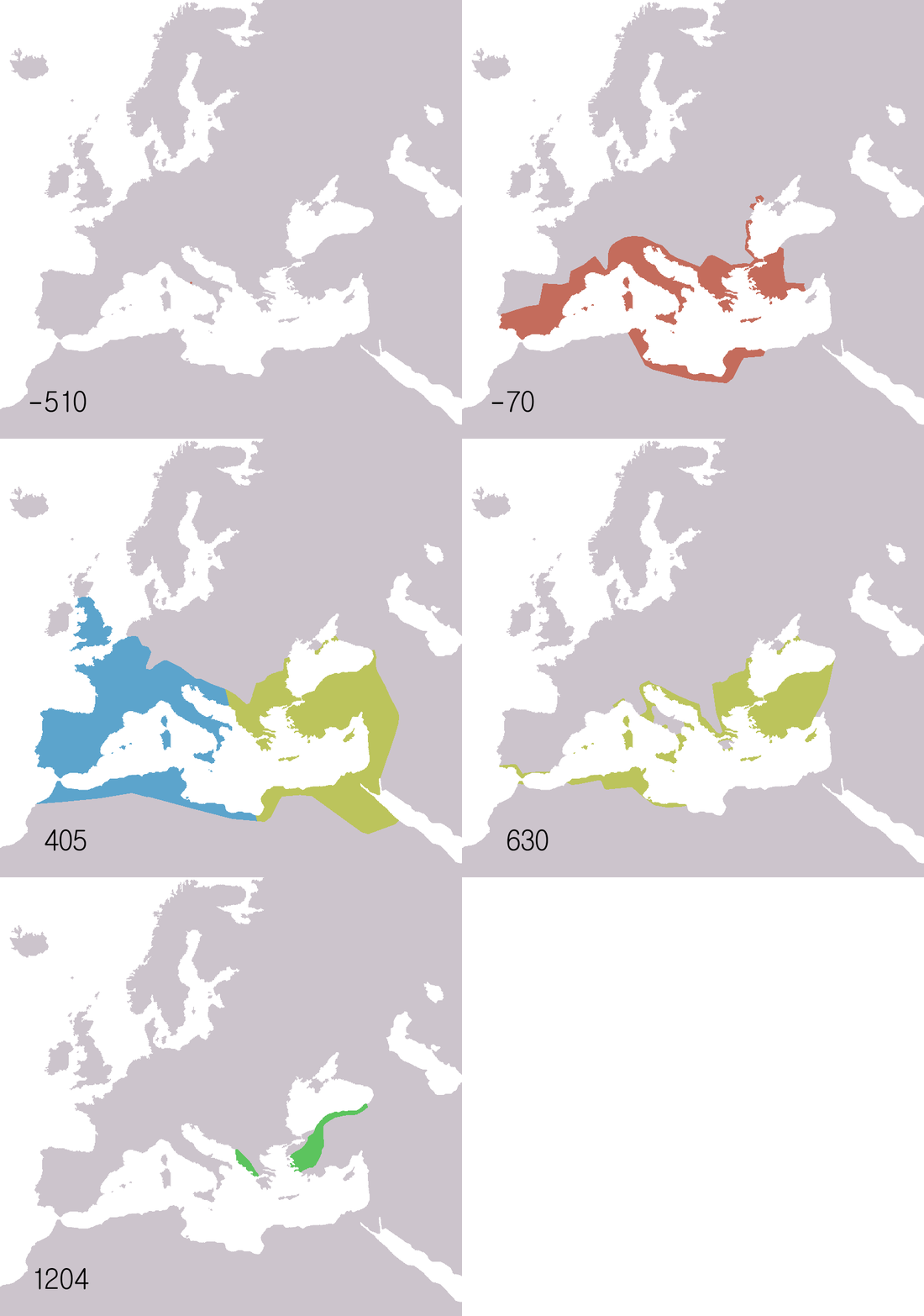
Empires — no limiting principle

The Roman Empire over time (Wikimedia)

They monopolize force

  • At least at the core/center
  • Periphery more contested

But no “given territory,” and legitimacy is arguable

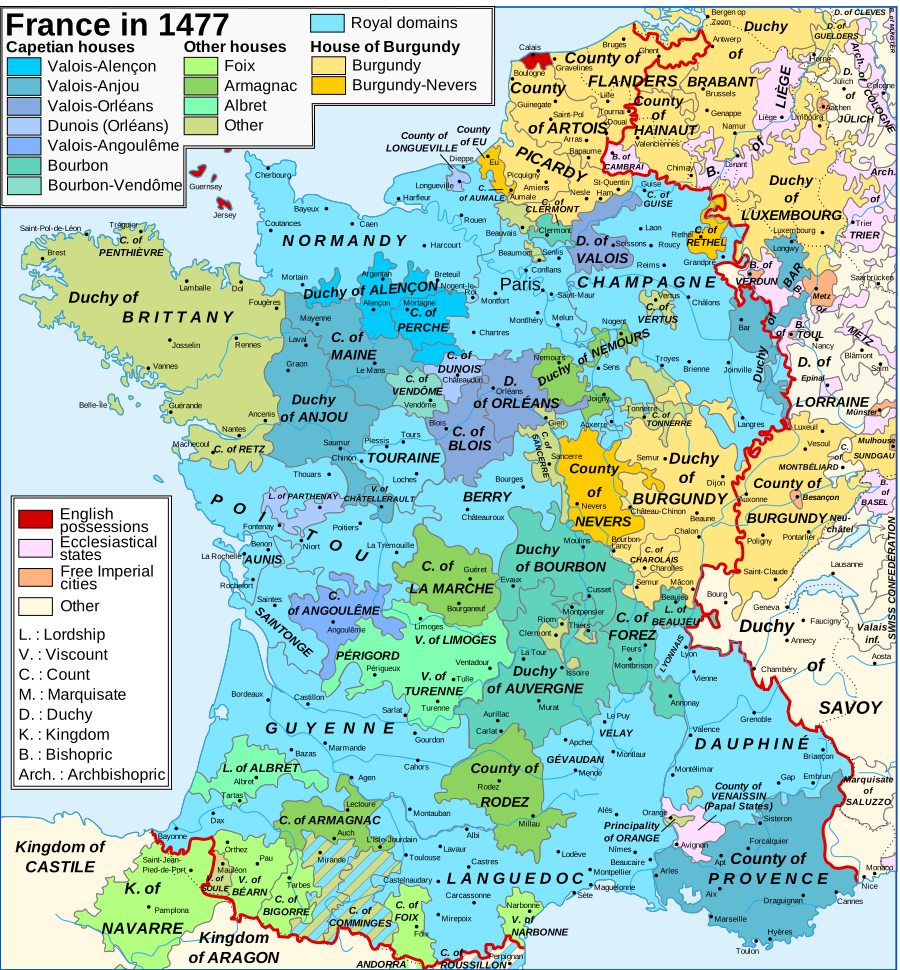
Feudalism — who’s in charge?

Not the clear hierarchy you might have been told

Overlapping and cross-cutting contractual, legal, commercial, and religious obligations

Even a king wasn’t truly in charge

  • Relied on nobles for military support — loyalty not assured
  • Long-held rights and privileges hard to displace
  • Also had to answer to the pope

France in 1477 (Wikimedia)

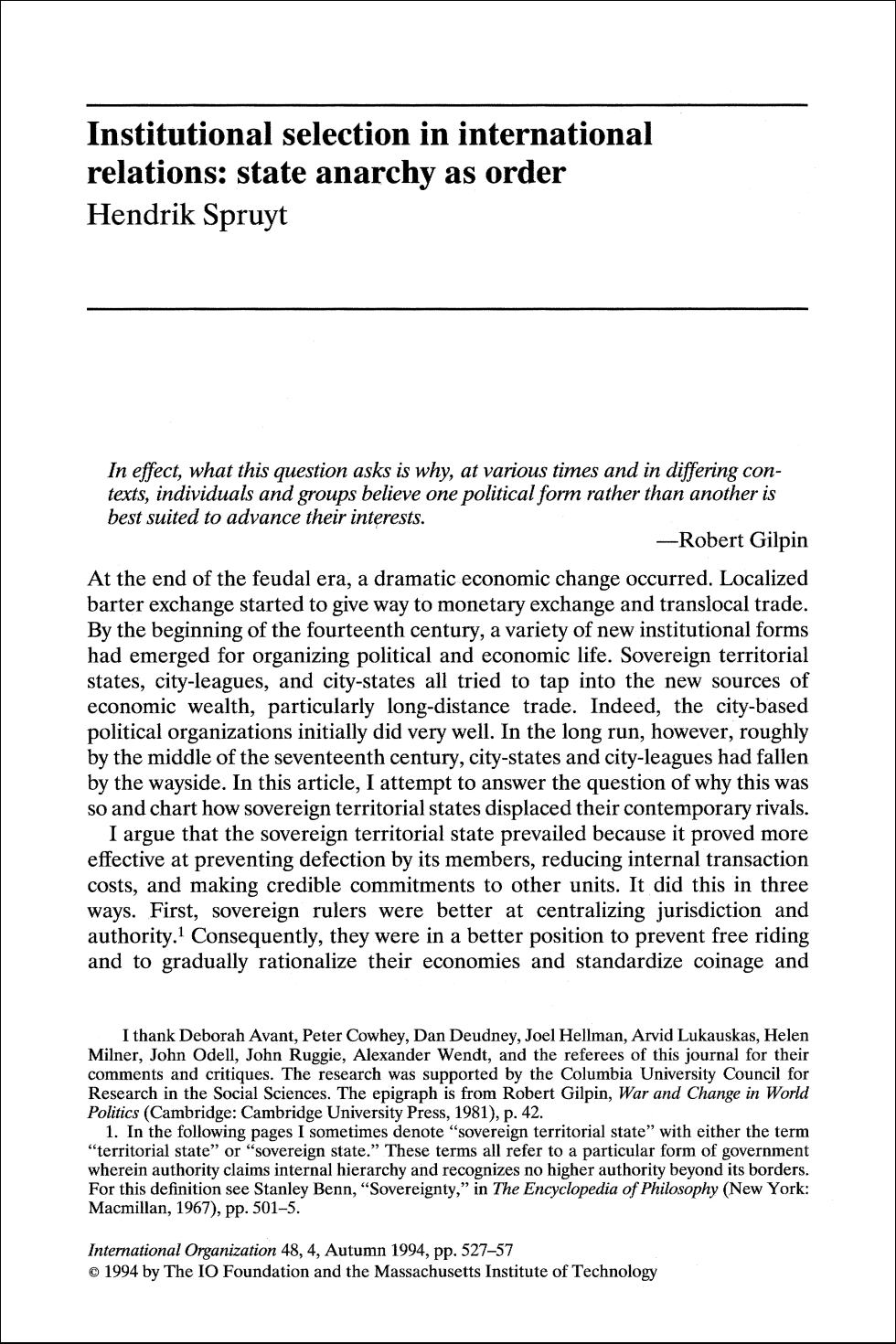
Spruyt 1994

Late medieval Europe (roughly 1300s)

Empire had mostly died out, and feudalism was unsustainable

  • More value than ever in trade
  • Yet no standard measures/money
  • And no clear line of authority

Territorial states arose to meet these challenges — but so did other political organizations

So why did the state prevail?

Alternative 1: The city-league
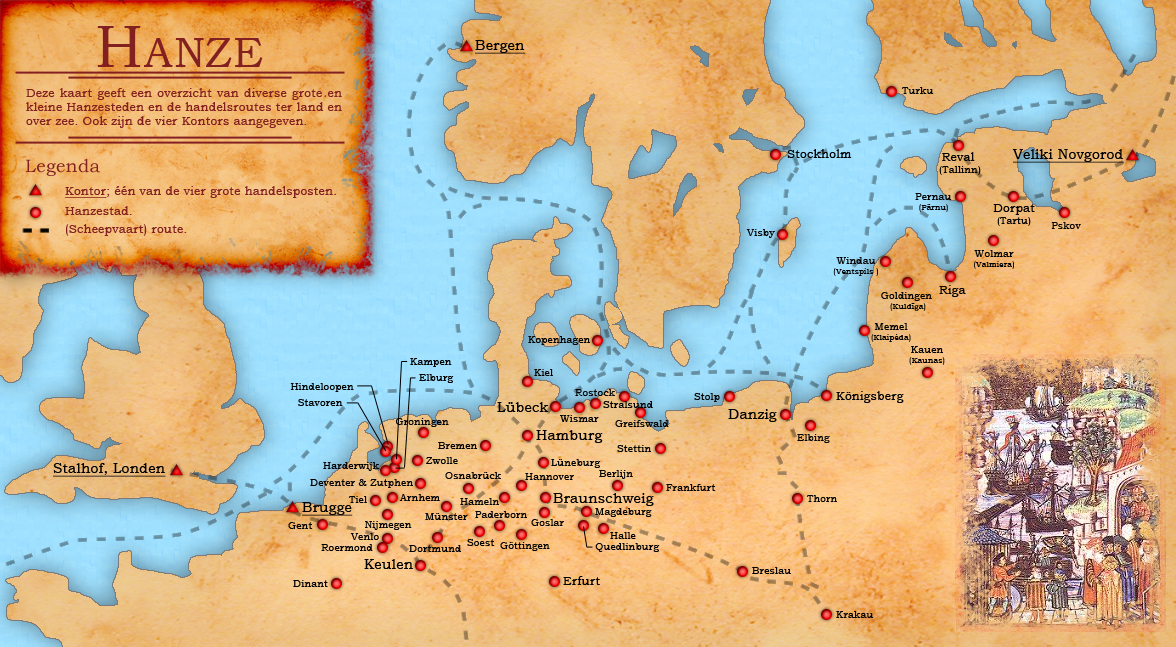
The Hanseatic League (Wikimedia)

Agreement among cities for mutual trade and defense

Domestic politics/law still up to the individual city — no central authority

Problems with city-leagues

More standardization than under feudalism, but still incomplete

Cities could “opt out” of obligations when convenient (free riding)

  • Defense ability not quite the sum of the parts
  • Hard to negotiate agreements with other political organizations

Expanding membership posed threat to territorial states

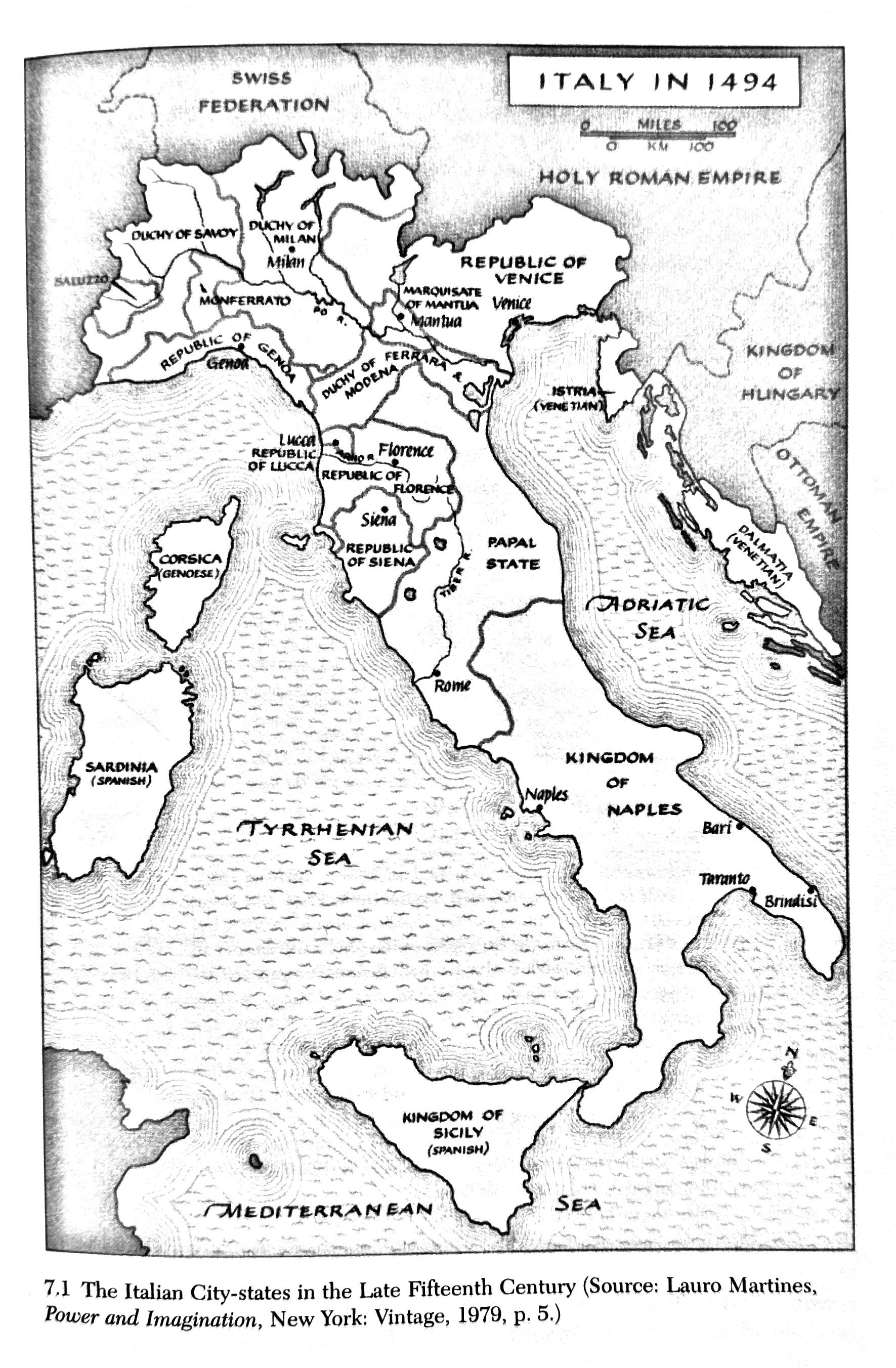
Alternative 2: The city-state

Mainly in northern Italy — Venice, Florence, Genoa, etc

Delimited territory, dominated by the main city with many outlying towns

Not as centralized as a territorial state: smaller towns retained some autonomy

Advantage over city-leagues: clear center of authority, able to make agreements with outsiders
Problems with city-states

Similar to problems with city-leagues, but less severe

Lesser towns often kept their own laws and standards

Resentment of major city \(\leadsto\) lesser towns not reliable for military defense

Lasted longer than the Hanseatic League, but still mostly died out

  • exceptions: Singapore, Monaco

Why did the territorial state win out?

Spruyt focuses on a few key advantages

Lower transaction costs.

  • Sovereigns could impose uniform money/measures to ease trade
  • Outsiders knew exactly who they had to deal with

More credible commitments.

  • Clear lines of authority \(\leadsto\) ability to make long-run promises

Less free-riding.

  • Nobles or cities that undermined the state would be sanctioned
  • Aids both international cooperation and military defense

What’s left unexplained? (where does war come in?)

Why did states become so large? Why do we have 200ish countries instead of 2,000 or 20,000?

  • We’ll see warfare has a lot to do with this!

Why did state revenues, capacities, and functions increase so much?

  • Warfare has a lot to do with this too!

Why hasn’t some other form of political organization emerged to displace territorial states?

Wrapping up

What we did today

Define state sovereignty. Monopoly over the legitimate use of force in a given territory.

See political alternatives to sovereign, territorial states.

  • Before territorial states emerged: empire, feudalism
  • Contemporaneous: city-leagues, city-states

Work through why territorial states prevailed. Advantages in trade, diplomacy, and defense.

Next time

We’ll start to think about states, conflict, and ordinary people

Key metaphor: the “stationary bandit”

Reading: Olson 1993, “Dictatorship, Democracy, and Development”

Reading quizzes will be graded starting next class!